Tell us about the job
Takes about a minute. No obligation.
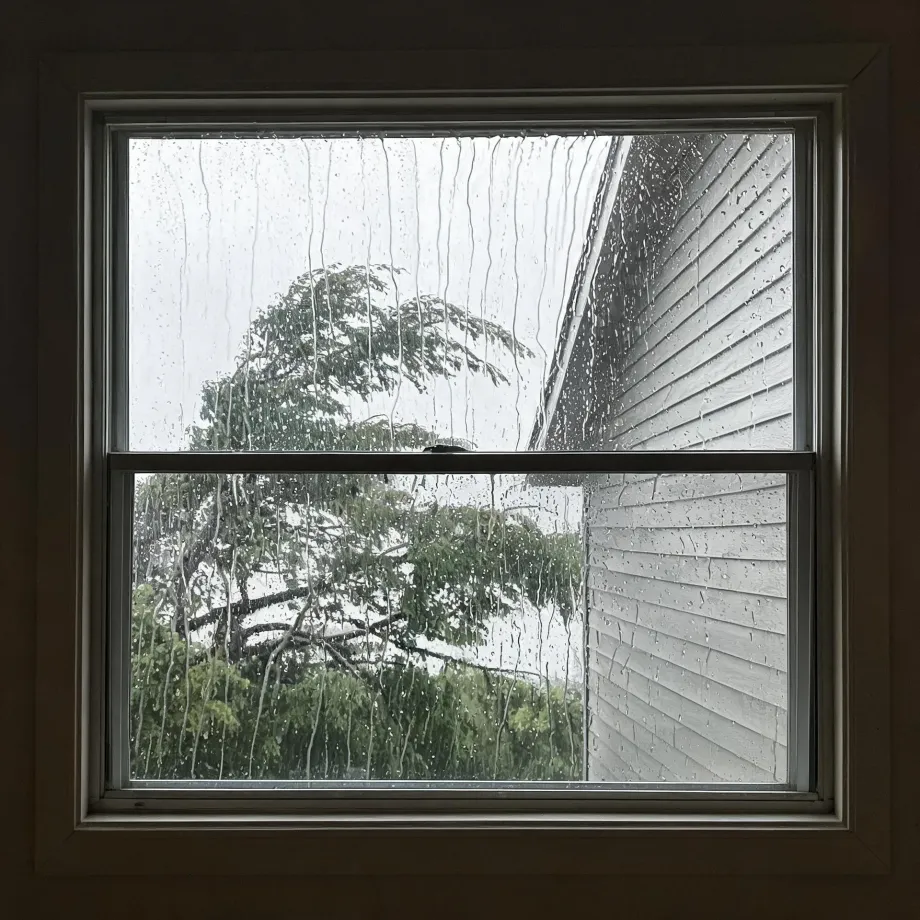
A repair call on a heat pump here starts with a question a contractor has to answer before quoting any parts: how much of what failed was pushed there by the weather, and how much would have gone regardless. 151 severe weather events were recorded in Douglas County, Wisconsin between 2015 and 2024. At that rate, severe weather is a standing condition in this area, not an occasional event, and its effects accumulate in the components that work hardest to keep up with it. Refrigerant lines, contactors, and capacitors carry that load directly. A contractor who skips that history prices the wrong repair.
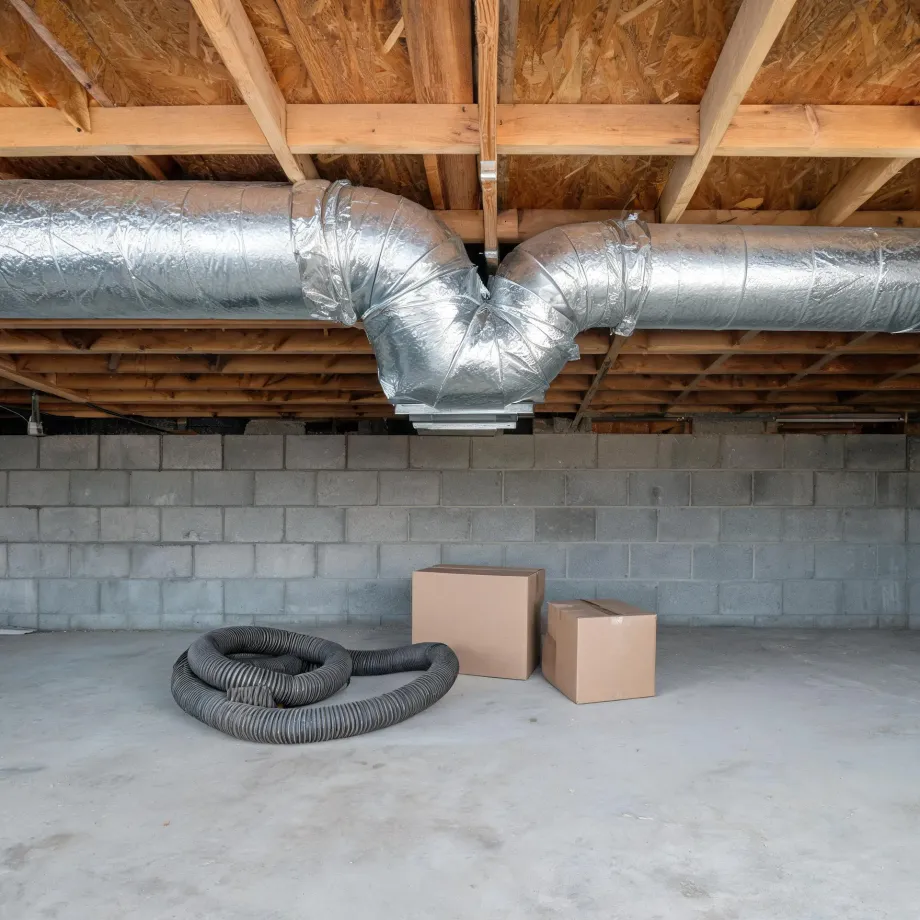
Ductwork laid down for a furnace and electrical service wired for something older than a heat pump are the backdrop for most repair calls in Douglas County. Half the homes in Douglas County, Wisconsin were built in 1969 or earlier (2020-2024 ACS 5-year). A contractor who opens the unit to chase a fault may find that the refrigerant circuit or the reversing valve is the whole story, or may find that what surrounds the equipment has been stressing it for years. Flex connections added at some point, a return that was undersized from the start, a run that loses pressure before it reaches the far rooms: these are not equipment failures, but they drive equipment failures. The repair answer lives in what the opened system shows, and in whether what feeds and houses it was ever suited to the load.
The Parts of a Heat Pump a Contractor Checks During Repair
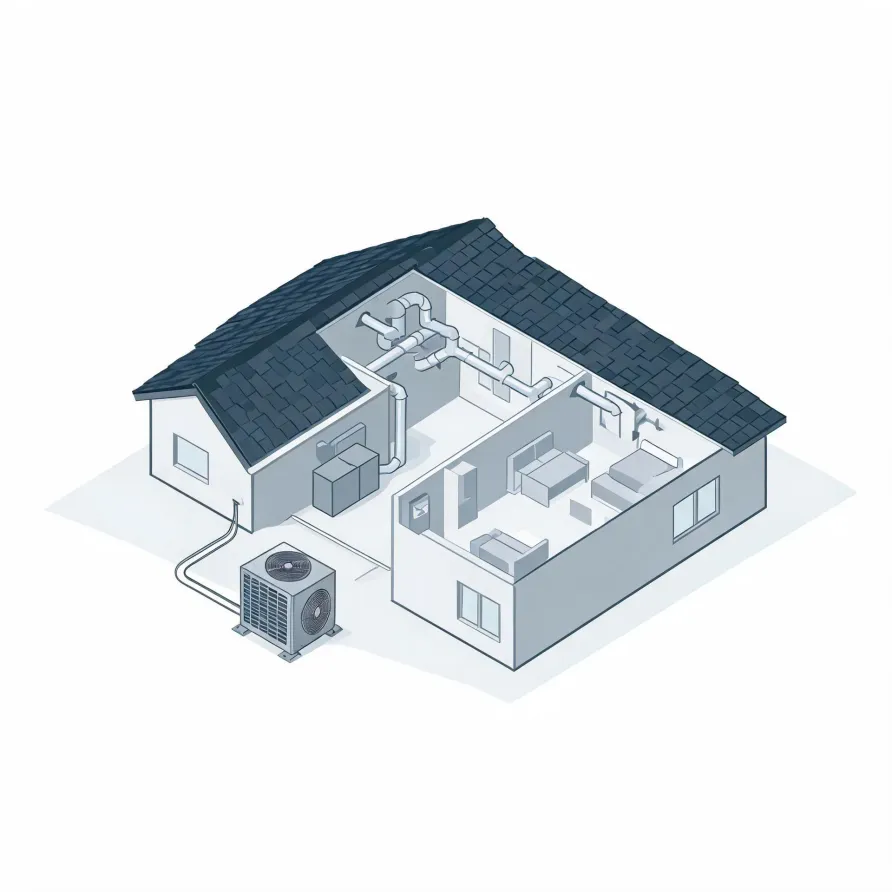
The outdoor unit is where most repairs begin. It houses the compressor, which moves refrigerant through the system, and the outdoor coil, which sheds or draws heat depending on the season. When either of those fails, the whole system feels it. The fan that pulls air across that coil is another common point of failure.
Inside the house, the air handler holds the indoor coil and the blower fan that pushes conditioned air into the living space. The reversing valve, which sits in the refrigerant line and tells the system whether to heat or cool, is a part contractors examine closely when the equipment runs but delivers the wrong result. The refrigerant lines connecting the two units and the expansion valve that regulates refrigerant flow round out what a contractor traces during a repair call.
The drawing shows a typical heat pump layout, and a licensed contractor determines which components apply to your specific system.
Get matched in Douglas CountyDouglas County, Wisconsin, by the numbers
151 severe weather events were recorded in Douglas County, Wisconsin between 2015 and 2024.
NOAA National Centers for Environmental Information, Storm Events Database, bulk CSV export, events 2015-01-01 through 2024-12-31.Half the homes in Douglas County, Wisconsin were built in 1969 or earlier (2020-2024 ACS 5-year).
U.S. Census Bureau, 2020-2024 American Community Survey 5-Year EstimatesDouglas County, Wisconsin holds 23,154 housing units (2020-2024 ACS 5-year).
U.S. Census Bureau, 2020-2024 American Community Survey 5-Year EstimatesOwners occupy 71.9% of the occupied homes in Douglas County, Wisconsin (2020-2024 ACS 5-year).
U.S. Census Bureau, 2020-2024 American Community Survey 5-Year EstimatesCodes & Standards Governing Heat Pump Repair in Douglas County, Wisconsin2 sourced rules & standards
Licensing Rules for HVAC Repair in Douglas County, Wisconsin
A Wisconsin business that employs a certified HVAC qualifier is a certified HVAC business, and no city or county may require it to hold a local certification or licence on top of that.
Wisconsin requires a state HVAC contractor registration: no person or business may install or service heating, ventilating or air conditioning equipment, or offer to, without one.
Severe Weather Events in Douglas County, Year by Year
Heat pumps in Douglas County work against whatever the outside air throws at them, and local weather patterns set the real workload. That workload shapes how hard the equipment runs, how fast components wear, and what repair needs look like here.
151 severe weather events, 2015–2024. Source: NOAA National Centers for Environmental Information, Storm Events Database.